

A monthly circular dyeing program for garments and textiles using seasonal plant colour.
Each month explores a single botanical palette.
The Circular Dye Pot
-
Hibiscus Blush: A pot filled with natural dye materials that softly yield a delicate pink colour.
-
Pomegranate
-
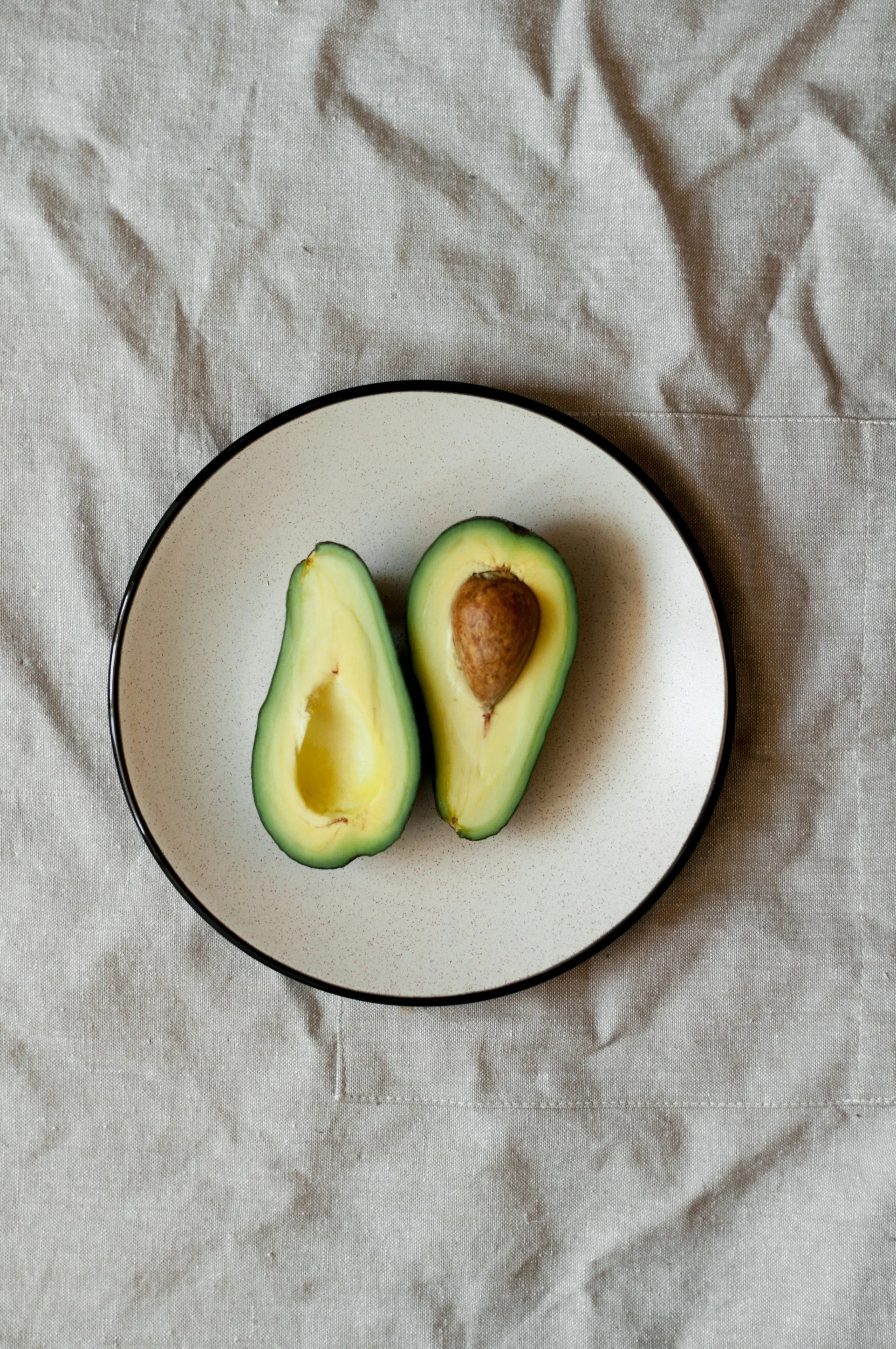
Avocado
August - Avocado Dye Pot
Au
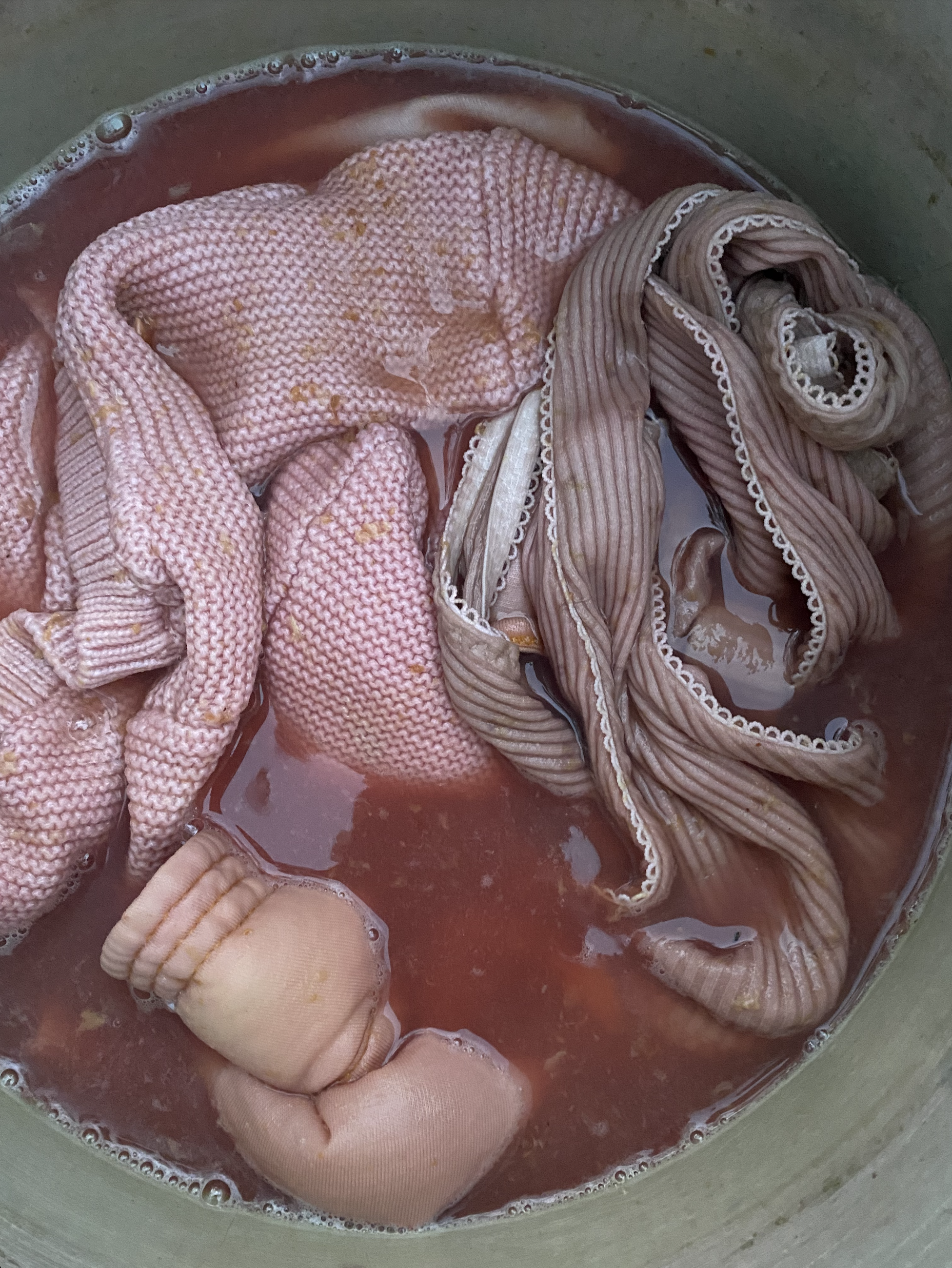
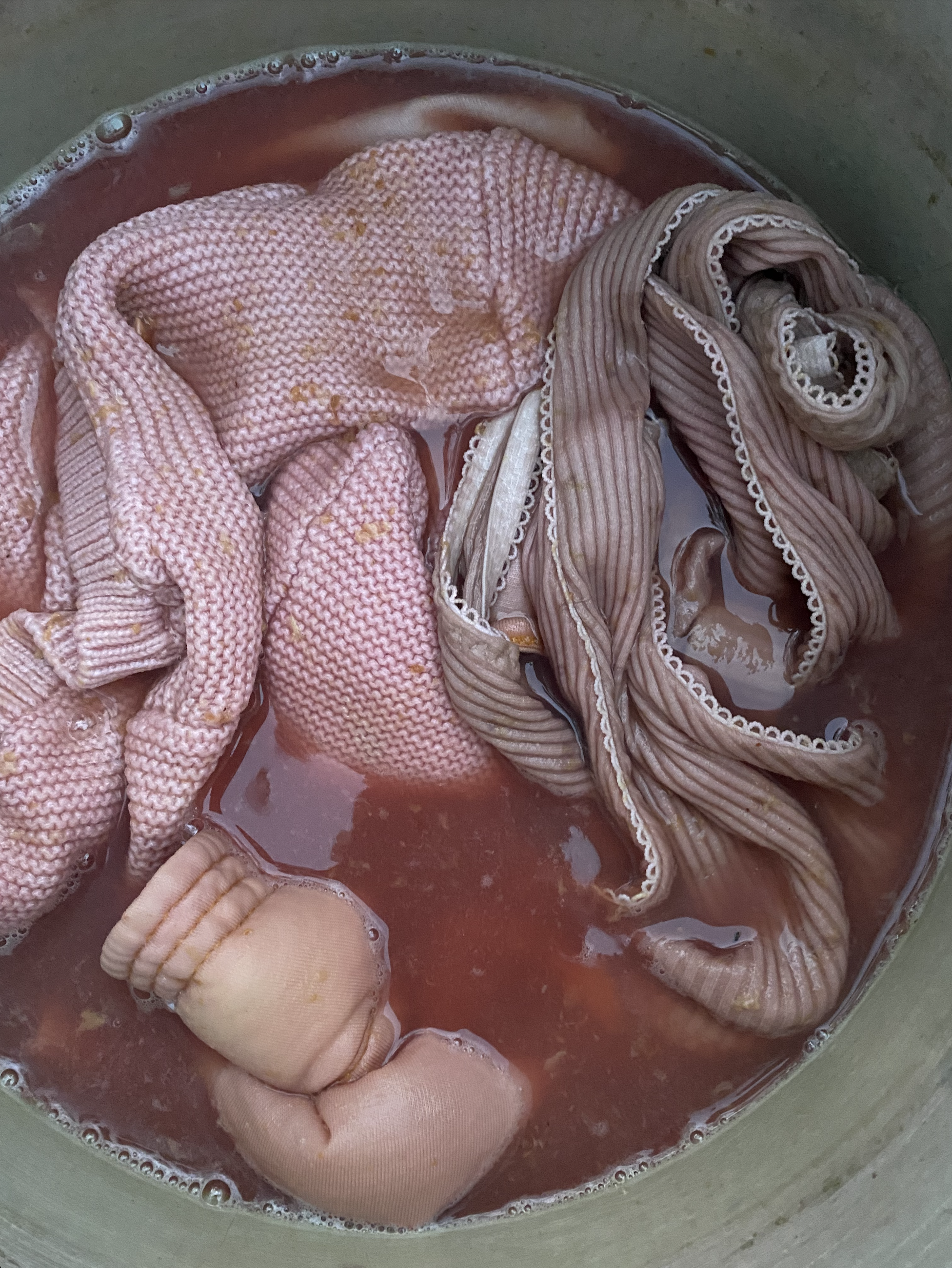
This month explores avocado as a seasonal dye source, producing soft blush pinks and purple tones depending if iron is added. I will be doing one of each.
Participants can send or drop off garments to be transformed through this month’s dye bath.
Included:
garment transformation
natural dye process using the dye of the month
return shipping or pickup
seasonal variation outcomes
Studio Process
01 - Choose Your Garment
Select an item you already own..
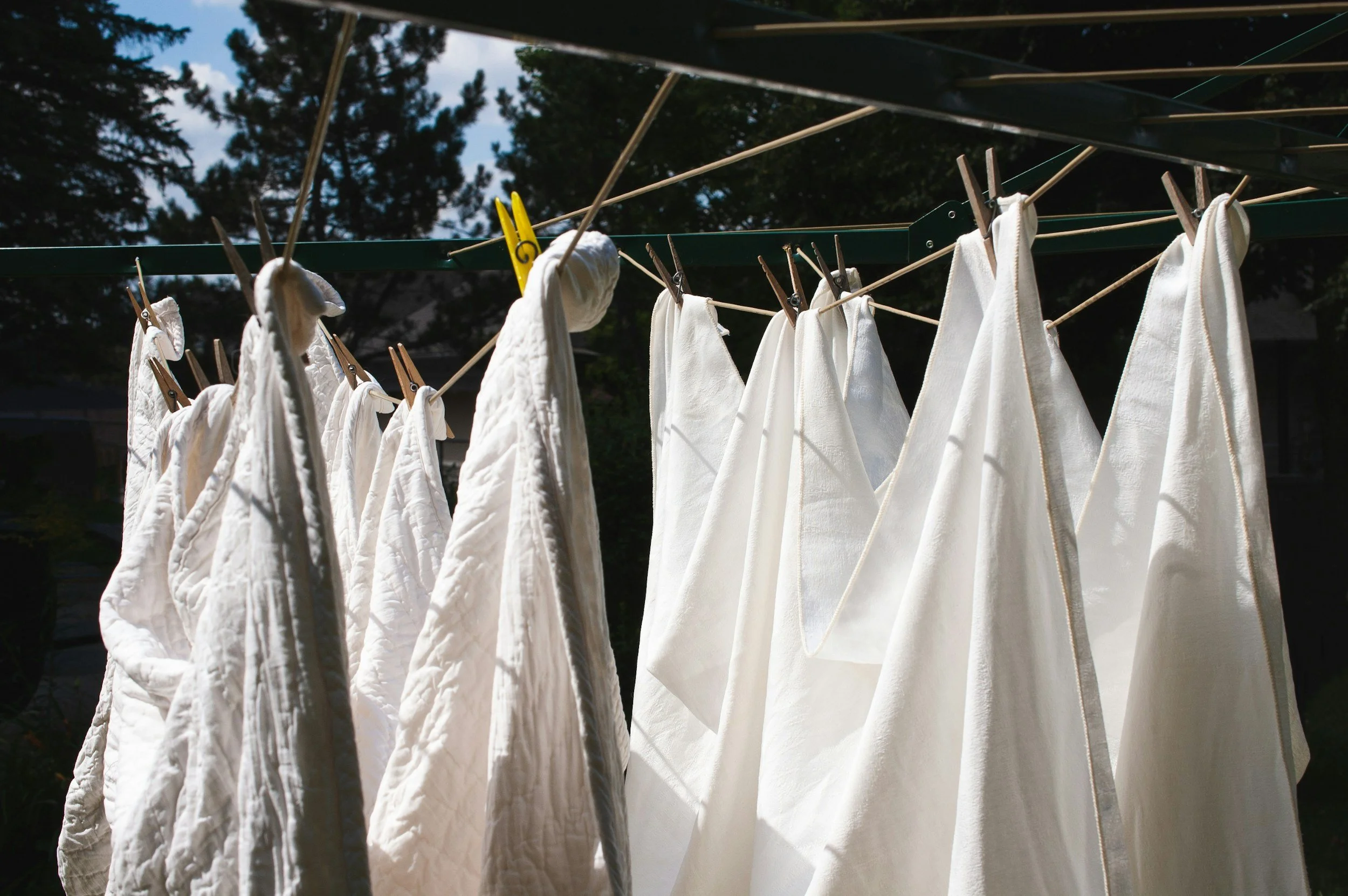
02 - Send or Drop Off
Post or deliver to Huntermade studio.

03 - Dye Process
Your garment enters this month’s dye bath.
04 - Return
You receive a transformed piece.

WHAT YOU CAN SEND
You can send:
jeans
linen shirts
jumpers
cotton garments
heirloom pieces
natural fibre textiles
Pillow cases
Tea Towels
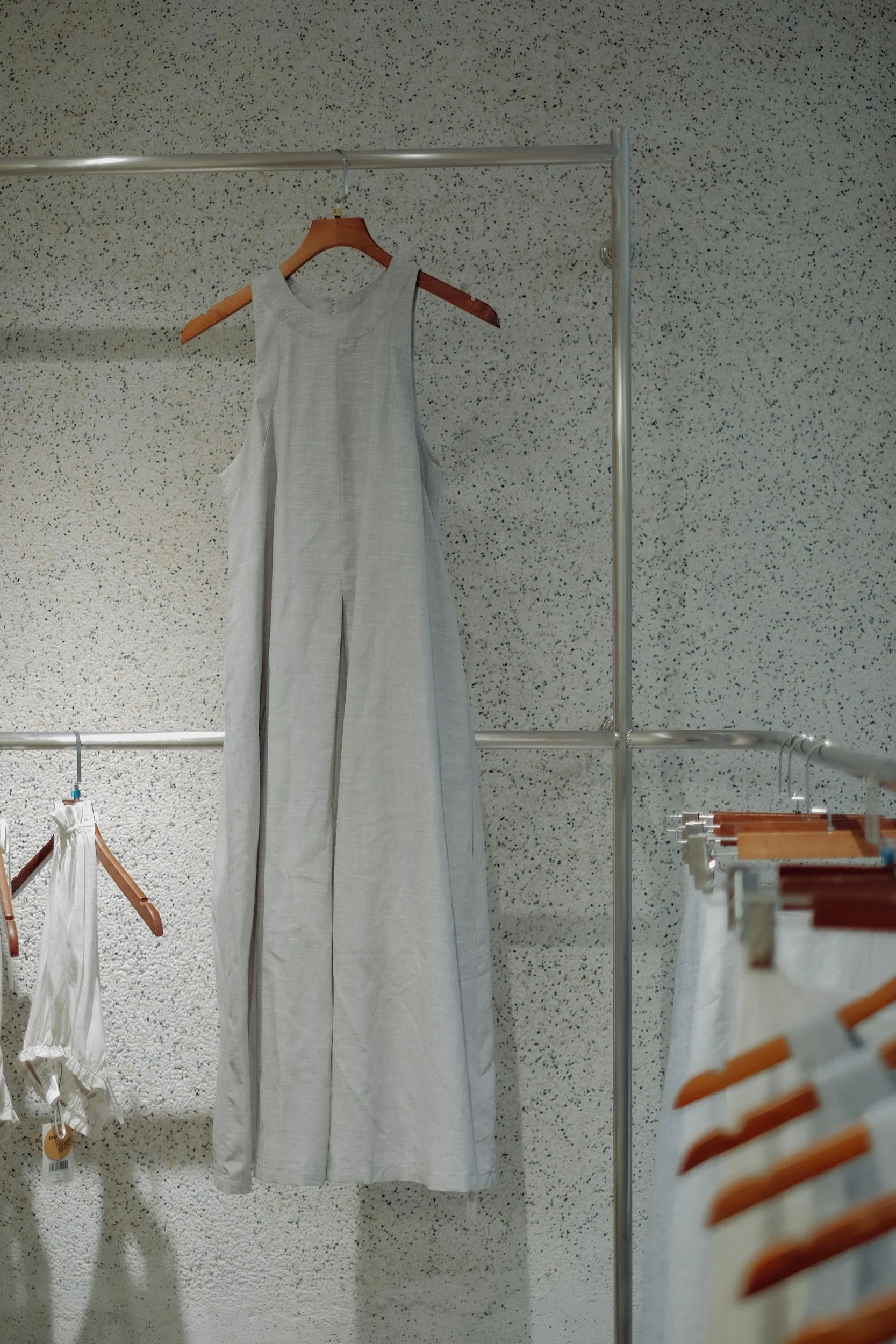
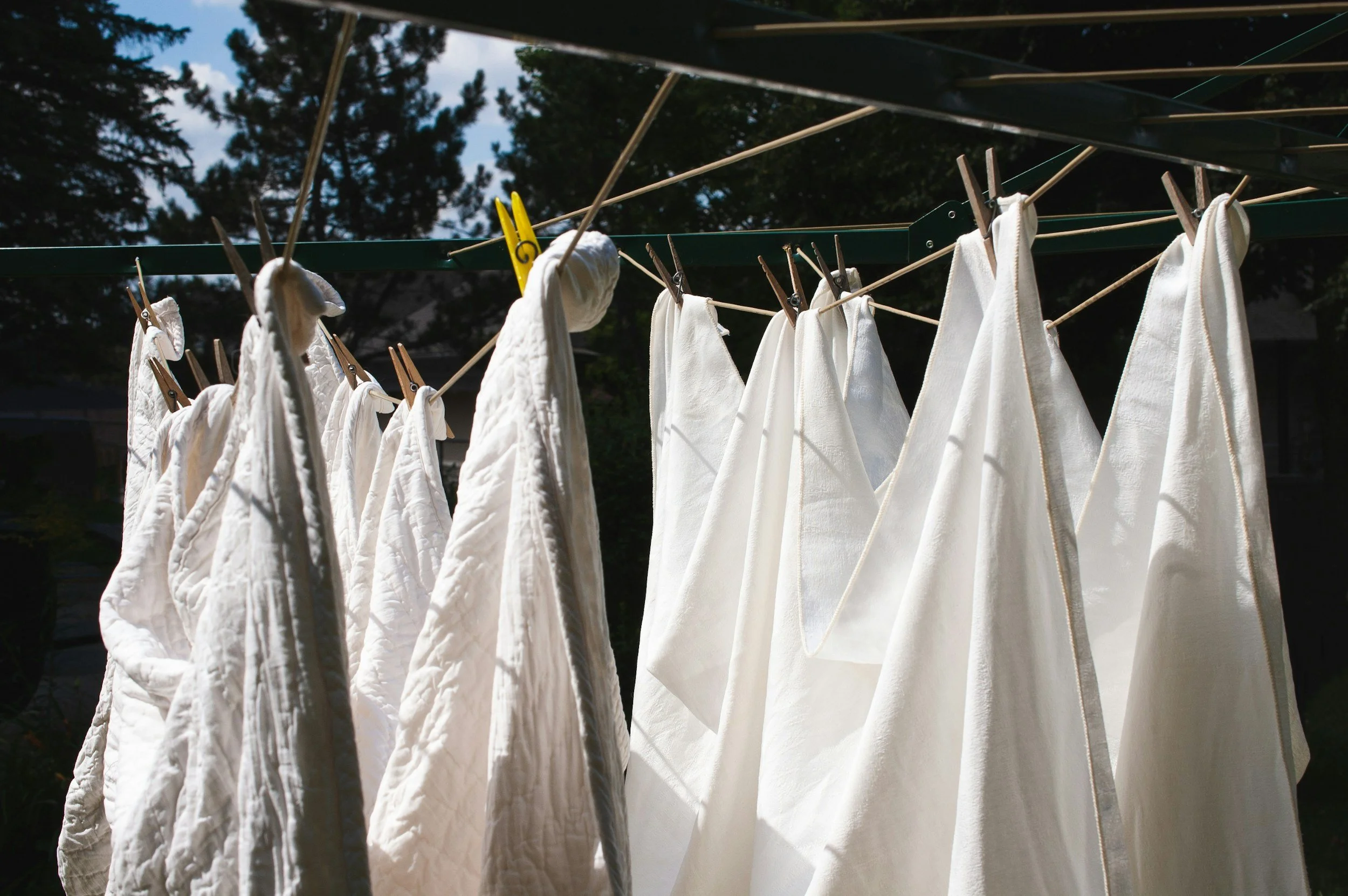

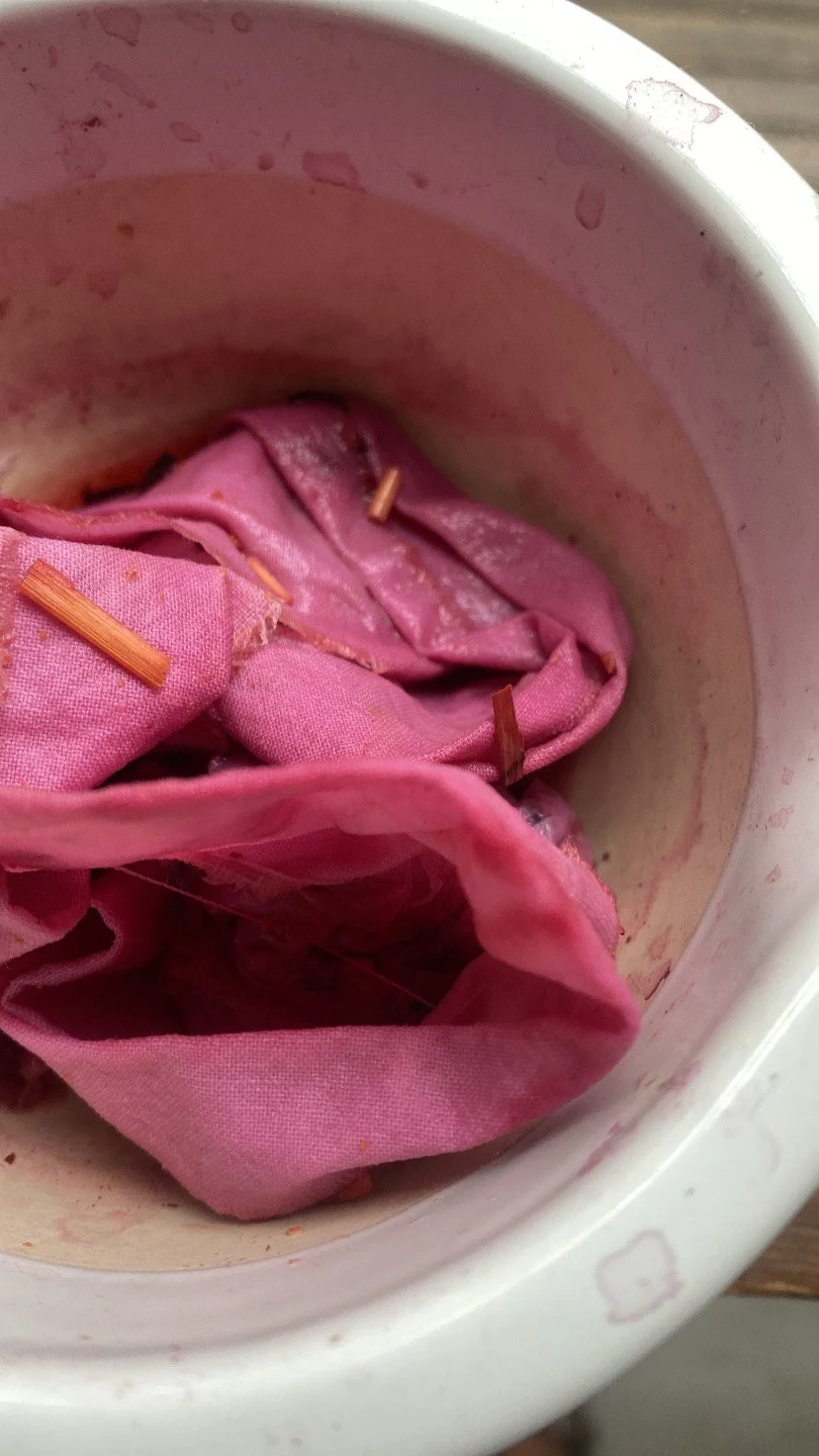
A seasonal natural dye transformation for small garments and textiles.
This includes it
You can send a couple of small items, for example, a pair of socks, a tea towel, or a couple of T‑shirts.
Each piece is individually processed using plant-based colour systems and returned transformed. Colour outcomes vary depending on fibre, original tone, and seasonal materials.
What happens next
After your order, your garment enters The Dye Pot, a seasonal natural dye system using plants, flowers, and reclaimed botanical materials.
Please follow these steps:
Ensure your garment is freshly washed (no fabric softener)
Please make sure your fabrics are natural (cotton, linen, silk, hemp, bamboo, wool) - Rayon also works
Prepare your garment for posting or drop-off
Your piece will be dyed within the current studio cycle (approx. 2–4 weeks)
Once your order is confirmed, you will receive further instructions on how to send your garment into the Dye Pot system.
If you are unsure about suitability or have a special piece, you are welcome to reply directly to your order confirmation email.
Choose your Dye Path
SMALL ITEM
A gentle entry into the Dye Pot system.
Suitable for socks, T-shirts, tea towels, and small everyday textiles. Each piece is individually dyed using seasonal plant materials, with colour outcomes shaped by fibre, history, and the living dye pot.
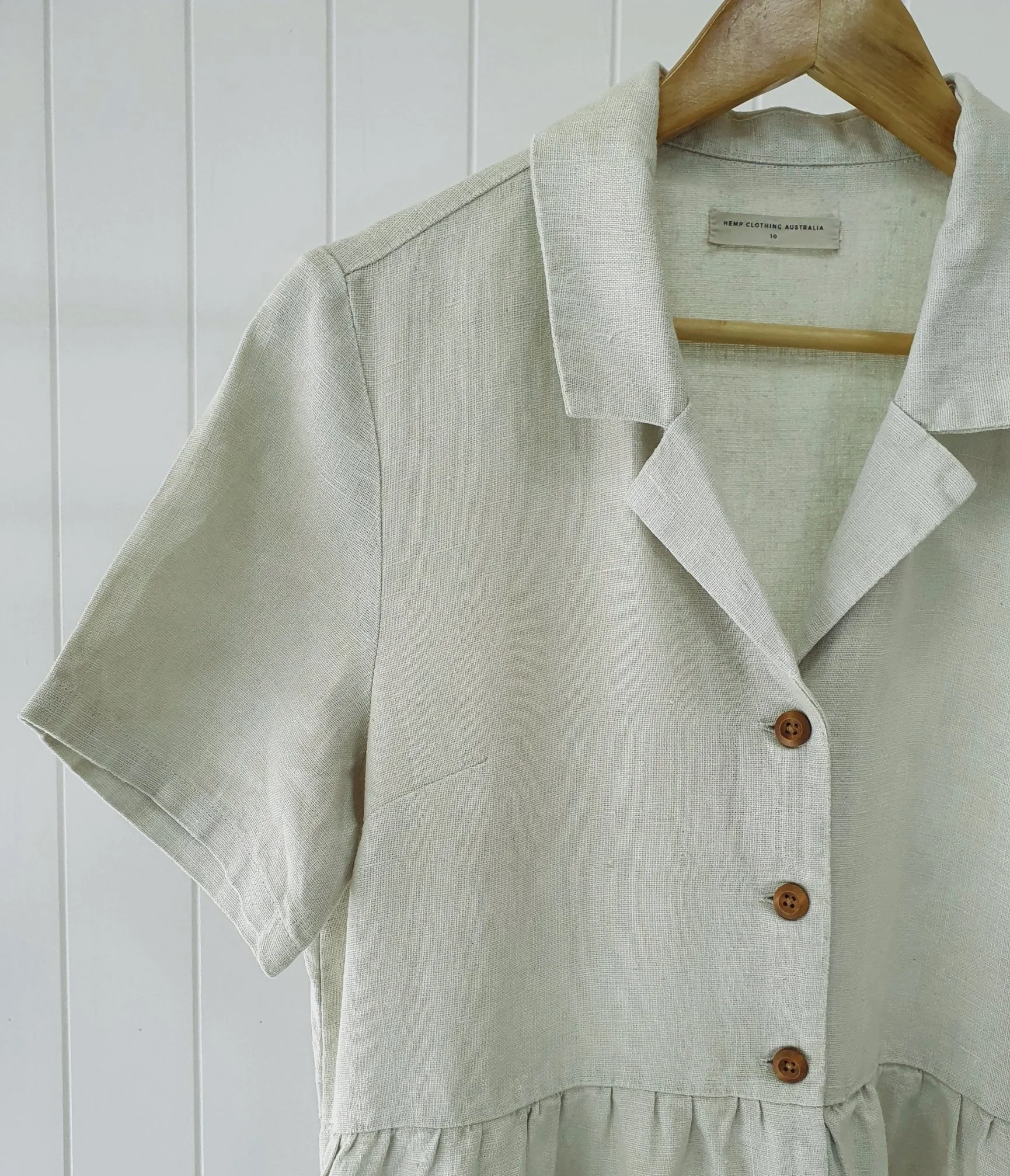
A seasonal natural dye transformation for everyday garments including shirts, jeans, dresses, and jumpers.
Each piece is individually processed using plant-based dye systems. Colour results vary depending on fibre, original tone, and seasonal materials.
Add a couple of smaller items (for example t‑shirts) or two larger pieces (a dress and a jumper); if you’re unsure, just send me a message. For instance, children’s clothing is much smaller in size, so you could add several of those instead to fill the space, or mix and match a few small and medium items for variety.
What happens next
After your order, your garments enters The Dye Pot, a seasonal natural dye system using plants, flowers, and reclaimed botanical materials.
Please follow these steps:
Ensure your garments are freshly washed (no fabric softener)
Please make sure your fabrics are natural (cotton, linen, silk, hemp, bamboo, wool) - Rayon also works
Prepare your garment for posting or drop-off
Your piece will be dyed within the current studio cycle (approx. 2–4 weeks)
Once your order is confirmed, you will receive further instructions on how to send your garment into the Dye Pot system.
If you are unsure about suitability or have a special piece, you are welcome to reply directly to your order confirmation email.
STANDARD ITEM
A full garment transformation within the Dye Pot cycle.
Suitable for shirts, jeans, dresses, and knitwear. Each piece is processed individually using seasonal botanical dyes, creating layered, unpredictable colour outcomes that reflect material and season.
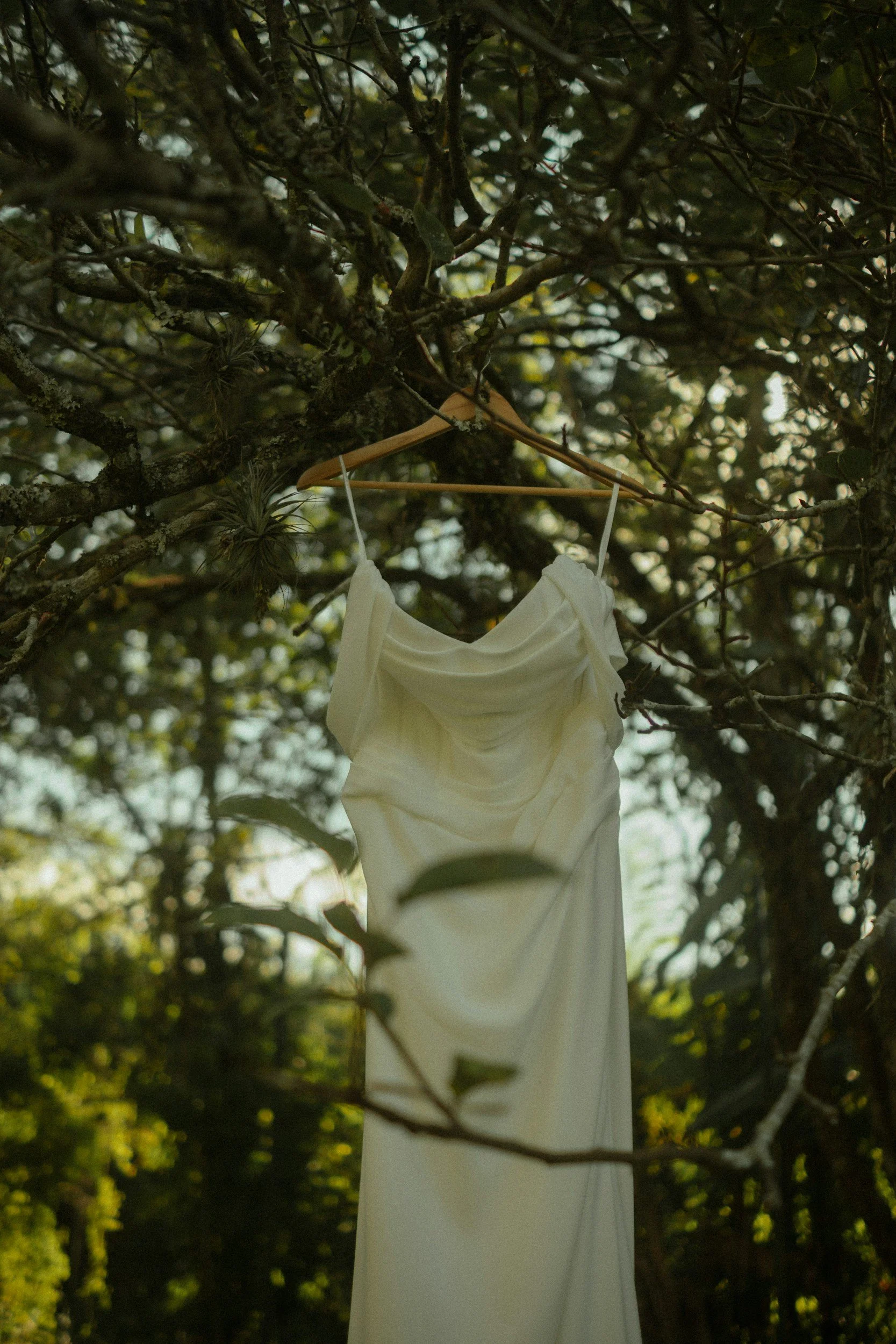
CUSTOM / HEIRLOOM
For garments that carry story, memory, or significance.
This pathway is for bespoke work including wedding pieces, heirloom textiles, collaborations, and complex or large-scale garments. Each project is approached individually through consultation to determine process, material response, and dye outcomes.
Enquire via the form to begin this process.
Seasonal Colour System
Each month focuses on a single botanical dye source.
This creates a shifting seasonal archive of colour across garments and participants.
-
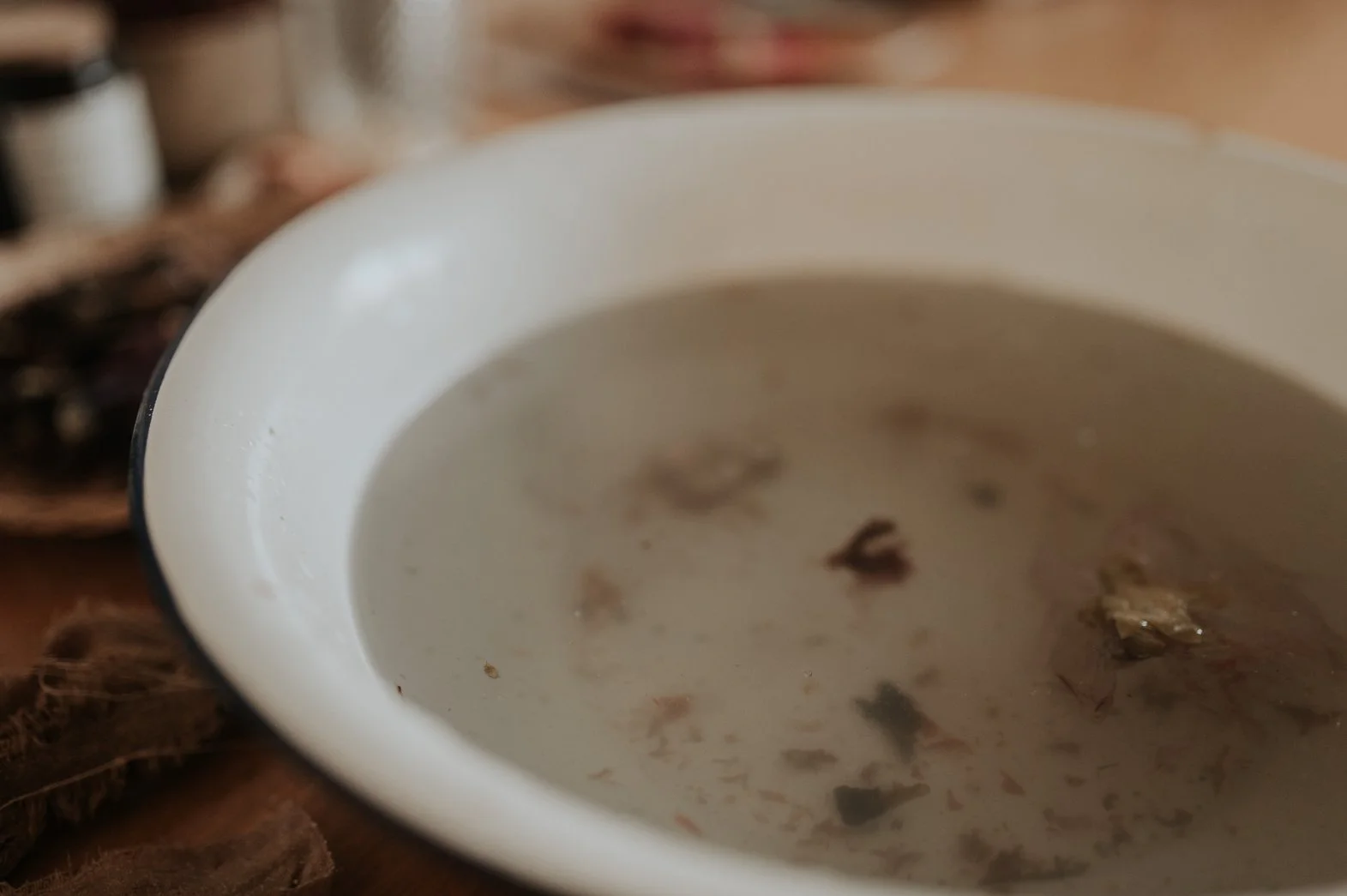
Hibiscus Blush: A pot filled with natural dye materials that softly yield a delicate pink colour.
-
Pomegranates gathered from our neighbours
-
To be announced
FAQs
What happens to my garment in the dye pot?Each garment enters a seasonal natural dye bath prepared using plant-based materials, such as hibiscus or other seasonal botanicals. Colour outcomes vary depending on fibre type, original garment colour, and how the fabric responds to natural dye processes. This means each piece becomes completely unique.
2. What kinds of garments can I send?You can send most natural fibre garments including cotton, linen, silk, wool, and blended natural textiles. Common items include jeans, jumpers, shirts, dresses, and heirloom pieces. If you’re unsure, you can include a note when you enquire and we can advise before sending.
3. Will I know exactly what colour I’ll get?Not exactly; and that is part of the process. Natural dyeing is responsive rather than fixed. The final colour is shaped by the plant material, the season, and the original textile. Each outcome is one-of-a-kind and reflects the natural variability of the process.